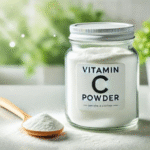

When developing effective vitamin supplements, simply including a nutrient in a formulation is not enough. Bioavailability of vitamins is an important consideration because it describes how much of a nutrient becomes available for absorption and use by the body.
For nutraceutical manufacturers and formulators, factors such as the chemical form of a vitamin, formulation composition, delivery technology, dosage, stability, and food interactions can influence nutrient absorption and utilisation.
Understanding these factors can help formulators select appropriate vitamin ingredients and develop more effective, stable, and consumer-friendly products.
What Is Vitamin Bioavailability?
Bioavailability refers to the proportion of a nutrient that is absorbed and becomes available for physiological use.
The bioavailability of vitamins can vary depending on the following:
- Chemical form
- Food matrix
- Formulation
- Solubility
- Stability
- Digestive conditions
- Interactions with other nutrients
- Dosage
- Delivery technology
Therefore, two products containing the same vitamin may not necessarily behave identically in the body.
6 Factors That Affect Vitamin Bioavailability
1. Chemical Form of the Vitamin
Vitamins can be available in different chemical forms, and these forms can have different properties related to absorption, stability, and metabolism.
For example, vitamin C may be supplied as ascorbic acid or mineral ascorbates, while vitamin E can be available in different tocopherol forms.
When selecting a vitamin ingredient, formulators should consider the specific application, regulatory requirements, stability, and evidence supporting the chosen form rather than assuming that one form is universally superior.
2. Food and Nutrient Interactions
The presence of other nutrients or food components can influence vitamin absorption.
For example:
- Vitamin C can enhance non-heme iron absorption.
- Dietary fat can support the absorption of fat-soluble vitamins A, D, E, and K.
- Certain nutrients may compete for absorption when provided at high levels.
Understanding these interactions can help formulators design more balanced nutritional products.
3. Formulation and Delivery Technology
The way a vitamin is delivered can influence its performance within a finished product.
Depending on the ingredient, manufacturers may consider technologies such as:
- Encapsulation
- Beadlets
- Granulation
- Emulsification
- Liposomal delivery
- Cold-water-dispersible formats
For example, liposomal formulations use lipid-based structures to encapsulate certain active ingredients and are being explored for improving delivery and formulation performance.
However, performance depends on the specific vitamin, formulation design, manufacturing process, and supporting data.
4. Stability and Solubility
An ingredient must remain stable throughout manufacturing, storage, and its intended shelf life.
Exposure to factors such as the following:
- Heat
- Light
- Oxygen
- Moisture
- pH
can affect certain vitamins.
A loss of potency during storage can ultimately affect the amount of active nutrient available in the finished product.
Therefore, formulators should consider both ingredient stability and finished-product stability when evaluating vitamin bioavailability.
5. Dosage and Formulation Design
More of a vitamin does not necessarily mean proportionally greater absorption.
At certain intake levels, absorption may become less efficient, while excessive amounts can create tolerability or safety concerns depending on the nutrient.
Formulators should therefore consider:
- Recommended serving size
- Target population
- Nutrient form
- Regulatory limits
- Absorption characteristics
- Interactions with other ingredients
A well-designed formulation should balance the desired nutrient level with safety, stability, and practical product use.
6. Individual and Digestive Factors
Nutrient absorption can also vary between individuals.
Factors such as age, digestive health, diet, nutrient status, and certain health conditions can influence nutrient utilisation.
For supplement manufacturers, this reinforces the importance of designing products based on sound nutritional science rather than assuming identical absorption across all consumers.
How Can Formulators Improve Vitamin Bioavailability?
Choose the Appropriate Vitamin Form
Select vitamin forms based on the intended application, stability, regulatory requirements, and available scientific evidence.
The right ingredient should also be compatible with the final dosage form.
Combine Complementary Nutrients
Some nutrients have complementary roles.
Examples include:
Vitamin C + Iron
Vitamin C can enhance the absorption of non-heme iron.
Vitamin D + Calcium
Vitamin D contributes to normal calcium absorption and utilisation.
Fat-Soluble Vitamins + Dietary Fat
Vitamins A, D, E, and K are fat-soluble and are generally better absorbed when consumed with dietary fat.
Select the Right Delivery Format
Specialised delivery systems can help address specific formulation challenges.
Depending on the application, manufacturers may consider the following:
- Powders
- Granules
- Pellets
- Beadlets
- Encapsulated ingredients
- Liposomal ingredients
- Emulsions
- Cold-water-dispersible formats
The ideal format depends on the finished product and its performance requirements.
Protect Sensitive Vitamins From Degradation
For sensitive vitamins, appropriate processing, packaging, and storage conditions are essential.
Formulators should evaluate:
- Oxygen exposure
- Moisture
- Temperature
- Light
- pH
- Packaging materials
Stability testing can help determine whether the selected ingredient and formulation maintain the required potency throughout shelf life.
Why Delivery Technology Matters
Modern nutraceutical formulation increasingly focuses not only on which nutrient is used but also on how that nutrient is delivered.
Advanced technologies can help manufacturers address challenges related to:
- Stability
- Solubility
- Dispersibility
- Taste
- Handling
- Protection from environmental conditions
- Formulation flexibility
For example, encapsulation and liposomal technologies can be explored for specific vitamins and applications where conventional formats may present formulation challenges.
However, the technology should always be selected according to the ingredient’s characteristics and supported by appropriate product-specific testing.
Vitamin Bioavailability and Ingredient Quality
Ingredient quality is an important part of formulation performance.
When sourcing vitamin ingredients, manufacturers should evaluate the following:
- Purity
- Potency
- Identity
- Stability
- Particle characteristics
- Solubility
- Contaminant specifications
- Batch-to-batch consistency
- Certificate of Analysis
- Supplier quality systems
A high-quality ingredient with appropriate documentation provides a stronger foundation for consistent product development.
Q-Line Nutra: Vitamin Ingredients for Advanced Formulations
Q-Line Nutra provides vitamin ingredients in different formats designed to support nutraceutical, supplement, functional food, and beverage applications.
Its portfolio includes vitamin C pellets and granules and other vitamin ingredients, alongside specialised technologies such as encapsulation, beadlets, liposomal delivery, and cold-water-dispersible formats.
These options provide manufacturers with greater flexibility when developing products where stability, handling, dispersibility, formulation performance, and delivery characteristics are important considerations.
For manufacturers evaluating vitamin ingredients, selecting a supplier with appropriate quality systems, technical documentation, consistent production, and formulation support can simplify the product development process.
Frequently Asked Questions
What is vitamin bioavailability?
Vitamin bioavailability refers to the proportion of a vitamin that is absorbed and becomes available for physiological use.
What affects vitamin bioavailability?
Chemical form, formulation, food interactions, stability, dosage, delivery technology, and individual digestive factors can all influence vitamin bioavailability.
How can vitamin absorption be improved?
Depending on the vitamin, absorption can be supported through appropriate ingredient selection, compatible nutrients, suitable food intake, optimised formulations, and specialised delivery technologies.
Are natural vitamins always more bioavailable?
No. Bioavailability depends on the specific vitamin, chemical form, formulation, dose, and individual factors. Natural ingredients are not automatically more bioavailable than synthetic alternatives.
Can liposomal technology improve vitamin delivery?
Liposomal delivery is a technology designed to encapsulate active ingredients within lipid-based structures. Its benefits depend on the specific ingredient, formulation, manufacturing process, and supporting evidence.
Why is vitamin stability important?
Degradation caused by heat, light, oxygen, moisture, or unsuitable processing conditions can reduce vitamin potency. Stability should therefore be evaluated throughout the product’s shelf life.
Final Takeaway
The bioavailability of vitamins is an important consideration when developing high-quality nutraceutical formulations. Ingredient form, formulation design, nutrient interactions, stability, dosage, and delivery technology can all influence how a vitamin performs.
For manufacturers, the goal should not simply be to select a vitamin with a high potency. Instead, formulators should evaluate the complete ingredient and delivery system to determine whether it is appropriate for the intended product.
By combining quality vitamin ingredients with suitable formulation strategies and delivery technologies, manufacturers can develop nutritional products designed for consistency, stability, and effective nutrient delivery.