
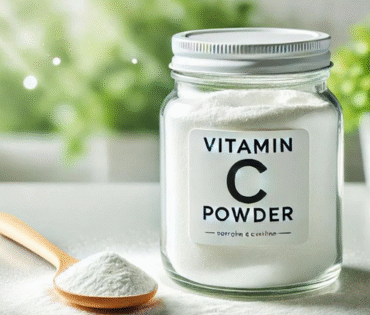
Vitamin C, also known as ascorbic acid, is an essential water-soluble vitamin widely used in dietary supplements, functional foods, beverages, sports nutrition products, and other nutraceutical formulations.
Beyond its well-known role in supporting normal immune function, vitamin C contributes to antioxidant protection, collagen formation, iron absorption, and normal connective tissue function. These characteristics make it a versatile ingredient for manufacturers developing nutritional products across multiple categories.
For formulators, however, selecting vitamin C is about more than simply choosing an ingredient. Form, stability, dosage, processing conditions, compatibility, and delivery format can all influence how successfully vitamin C performs within a finished formulation.
This guide explores the key benefits of vitamin C, its applications in nutraceutical products, and the important factors manufacturers should consider when formulating with vitamin C ingredients.
What Is Vitamin C?
Vitamin C is an essential water-soluble vitamin that the human body cannot produce on its own in sufficient amounts. It therefore needs to be obtained through dietary sources or supplementation.
Naturally occurring vitamin C is found in a variety of fruits and vegetables, including:
- Citrus fruits
- Strawberries
- Kiwi
- Bell peppers
- Broccoli
- Tomatoes
In nutraceutical manufacturing, vitamin C can be supplied in different ingredient forms depending on the application and formulation requirements.
Common forms include:
- Ascorbic acid
- Sodium ascorbate
- Calcium ascorbate
- Encapsulated Vitamin C
- Vitamin C powders
- Vitamin C granules
- Vitamin C pellets
- Specialized delivery formats
The appropriate form depends on factors such as dosage form, stability, processing conditions, solubility, taste, pH, and intended product application.
Key Benefits of Vitamin C
1. Antioxidant Support
Vitamin C is an important antioxidant that helps protect cells from oxidative stress caused by free radicals and reactive molecules.
It also participates in the body’s antioxidant defence systems and can help regenerate other antioxidants, including Vitamin E.
For supplement manufacturers, this makes vitamin C particularly relevant to formulations positioned around the following:
- Antioxidant support
- General wellness
- Immune health
- Healthy aging
- Skin health
- Daily nutrition
However, product claims should always be aligned with the applicable regulatory requirements of the target market.
2. Supports Normal Immune Function
Vitamin C contributes to the normal functioning of the immune system.
It is involved in several cellular processes associated with immune defence, making it a common component of immune-support supplements and multivitamin formulations.
Vitamin C is, therefore, frequently incorporated into products such as the following:
- Immune support capsules
- Tablets
- Powder sachets
- Effervescent formulations
- Multivitamins
- Functional beverages
For formulators, the key consideration is ensuring that the selected vitamin C ingredient remains stable and meets its required specification throughout the product’s shelf life.
3. Supports Collagen Formation and Skin Health
Vitamin C plays an important role in normal collagen formation.
Collagen is a structural protein found throughout the body and contributes to the normal function of skin, bones, cartilage, blood vessels, and connective tissues.
This makes vitamin C an attractive ingredient for products targeting the following:
- Beauty from within
- Skin health
- Healthy aging
- Collagen supplements
- Hair, skin and nail formulations
Vitamin C is often combined with ingredients such as collagen peptides, hyaluronic acid, biotin, zinc, and other nutrients in beauty and wellness formulations.
4. Enhances Non-Heme Iron Absorption
One of the important nutritional functions of vitamin C is its ability to enhance the absorption of non-heme iron, the form of iron commonly found in plant-based foods.
Vitamin C can improve the bioavailability of non-heme iron when consumed together, making the combination particularly relevant to certain nutritional formulations.
This interaction can be considered when developing:
- Iron supplements
- Multivitamins
- Women’s nutritional products
- Plant-based nutrition products
- Micronutrient premixes
For manufacturers developing iron formulations, combining compatible vitamin C and iron ingredients can be an important formulation consideration.
Vitamin C Applications in Nutraceutical Formulations
The versatility of vitamin C allows it to be incorporated into a wide range of nutritional products.
1. Dietary Supplements
Vitamin C is widely used in:
- Multivitamins
- Immunity formulations
- Antioxidant supplements
- Daily wellness products
- Beauty supplements
- Iron formulations
Depending on the product format, manufacturers may use vitamin C powder, granules, pellets, or other specialised formats.
2. Functional Foods and Beverages
Vitamin C can also be incorporated into functional foods and beverages, including:
- Fortified beverages
- Powdered drink mixes
- Nutrition bars
- Gummies
- Ready-to-mix products
- Functional foods
- Sports nutrition products
For beverage applications, properties such as solubility, dispersibility, taste, stability, and compatibility with the formulation matrix become especially important.
3. Sports Nutrition
Vitamin C is frequently included in sports and active nutrition formulations because of its role in antioxidant defence and normal immune function.
It can be incorporated into:
- Recovery formulas
- Multivitamin products
- Electrolyte blends
- Performance nutrition products
- Hydration powders
- Functional beverages
However, vitamin C should generally be positioned as part of a broader nutritional formulation rather than as a standalone performance-enhancing ingredient.
4. Beauty and Skin-Nutrition Products
Vitamin C is an established ingredient in beauty-from-within and skin-health supplements.
Formulators may combine vitamin C with the following:
- Collagen peptides
- Zinc
- Biotin
- Vitamin E
- Hyaluronic acid
- Botanical ingredients
The combination can support product concepts focused on skin health, collagen formation, and antioxidant nutrition.
Why Vitamin C Stability Matters in Formulation
One of the biggest considerations when working with vitamin C is stability.
Ascorbic acid can be sensitive to environmental and processing conditions, including the following:
- Oxygen
- Moisture
- Heat
- Light
- pH
- Metal ions
Exposure to unfavourable conditions can contribute to degradation and loss of potency.
For this reason, formulators should evaluate the ingredient together with the complete formulation and packaging system.
Important considerations include:
Packaging
Appropriate packaging can help reduce exposure to moisture, oxygen, and light.
Processing
Manufacturing processes involving elevated temperatures or prolonged exposure to unfavourable conditions should be evaluated carefully.
Storage
Storage conditions should be established according to the ingredient and finished-product stability requirements.
Ingredient Format
Selecting an appropriate vitamin C format can help address specific formulation requirements related to handling, stability, taste, and processing.
Choosing the Right Vitamin C Ingredient Format
There is no single vitamin C format that is ideal for every product.
The appropriate choice depends on the application and formulation objectives.
Vitamin C Powder
Vitamin C powders can be suitable for applications requiring flexible incorporation into blends, capsules, tablets, and powdered formulations.
Vitamin C Granules
Granulated vitamin C can offer useful handling characteristics and may be suitable for specific premix and dosage-form applications.
Vitamin C Pellets
Vitamin C pellets can be considered when manufacturers require a specialised physical format for handling, blending, or specific dosage-form applications.
Encapsulated Vitamin C
Encapsulation technologies can be explored when the formulation requires additional protection or specific delivery characteristics.
The selection should ultimately be based on the finished-product requirements rather than the ingredient format alone.
Key Factors to Consider When Formulating With Vitamin C
1. Purity and Potency
Always evaluate the ingredient specification and batch documentation.
Important parameters may include:
- Assay
- Identification
- Moisture
- Particle size
- Microbiological specifications
- Heavy metals
- Other applicable impurities
A batch-specific Certificate of Analysis (CoA) should be reviewed as part of the supplier qualification process.
2. Stability
Consider how vitamin C will behave throughout:
- Manufacturing
- Processing
- Storage
- Transportation
- Finished-product shelf life
Stability studies can help determine whether the selected vitamin C form and packaging are appropriate for the application.
3. Dosage and Regulatory Requirements
The appropriate amount of vitamin C depends on the intended product, target consumer, product category, and regulatory requirements of the market.
Formulators should determine the appropriate dosage based on the following:
- Product positioning
- Recommended serving size
- Target population
- Other Vitamin C sources in the formulation
- Local regulatory requirements
Avoid selecting a dosage based solely on competitor products.
4. Taste and Sensory Properties
Vitamin C, particularly ascorbic acid, can contribute acidity and a characteristic taste.
This can become important in the following:
- Gummies
- Powders
- Drink mixes
- Functional beverages
- Chewable products
Depending on the formulation, manufacturers may need to evaluate flavour systems, sweeteners, buffering agents, or alternative vitamin C formats to achieve the desired sensory profile.
5. Compatibility With Other Ingredients
Vitamin C may be formulated alongside numerous vitamins, minerals, botanicals, and functional ingredients.
However, compatibility should be evaluated based on the specific formulation.
For example, manufacturers should consider the following:
- pH
- Moisture
- Oxidation sensitivity
- Processing temperature
- Interaction with minerals
- Packaging conditions
- Expected shelf life
A formulation-level stability assessment is often more useful than evaluating ingredients individually.
Vitamin C and Complementary Nutrients
Vitamin C can be combined with other nutrients to develop targeted nutritional formulations.
Vitamin C + Iron
Vitamin C can enhance non-heme iron absorption, making this combination relevant to iron-focused formulations.
Vitamin C + Vitamin E
Both nutrients have antioxidant functions and can be incorporated into antioxidant-focused formulations.
Vitamin C + Zinc
Vitamin C and zinc are frequently used together in immune-support nutritional products.
Vitamin C + Collagen
Vitamin C’s role in normal collagen formation makes it a logical component of collagen and beauty-from-within formulations.
The effectiveness of any combination depends on the individual ingredients, doses, formulation, and intended use.
How to Select a Vitamin C Ingredient Supplier
For manufacturers, choosing the right vitamin C ingredient supplier is an important part of product development.
Before selecting a supplier, evaluate:
Quality Systems
Review applicable certifications, manufacturing standards, and quality-control procedures.
Documentation
Request:
- Certificate of Analysis
- Product specification
- Technical data sheet
- Stability information
- Allergen declaration
- Regulatory documentation
- Other applicable quality documents
Manufacturing Capability
Assess whether the supplier can consistently manufacture the required format and potency.
Batch Consistency
Evaluate the supplier’s ability to maintain consistent specifications across production batches.
Technical Support
A supplier with formulation and application support can be particularly valuable when developing specialised products.
Supply Reliability
Consider:
- MOQ
- Lead time
- Production capacity
- Packaging
- Export capabilities
- Communication
- Long-term supply continuity
Why Choose Q-Line Nutra for Vitamin C Ingredients?
Q-Line Nutra provides Vitamin C ingredients for nutraceutical and functional-food applications, including specialised formats such as Vitamin C pellets and granules.
Its ingredient portfolio and formulation capabilities are designed to support manufacturers developing different dosage forms and nutritional products.
Depending on the application, specialised ingredient formats can provide advantages related to handling, processing, formulation flexibility, and product development requirements.
For manufacturers looking for a reliable vitamin C ingredient supplier, evaluating quality systems, technical documentation, batch consistency, and application support can help identify the right partner for long-term formulation needs.
Frequently Asked Questions About Vitamin C in Nutraceutical Formulations
What are the benefits of vitamin C in nutraceutical formulations?
Vitamin C contributes to antioxidant protection, normal immune function, collagen formation, and enhanced absorption of non-heme iron. These properties make it a versatile ingredient for supplements, functional foods, beverages, and beauty-from-within products.
What forms of vitamin C are used in supplements?
Common forms include ascorbic acid and mineral ascorbate forms such as sodium ascorbate and calcium ascorbate. Vitamin C may also be supplied as powders, granules, pellets, or specialised encapsulated formats.
Why is vitamin C stability important?
Vitamin C can be sensitive to factors such as oxygen, moisture, heat, light, and formulation conditions. Appropriate ingredient selection, processing, packaging, and storage can help maintain product quality throughout its shelf life.
What should manufacturers consider when choosing vitamin C ingredients?
Manufacturers should evaluate purity, potency, stability, physical properties, dosage requirements, sensory characteristics, compatibility, documentation, regulatory requirements, and supplier reliability.
What are vitamin C pellets used for?
Vitamin C pellets can be used as a specialised ingredient format in certain nutraceutical formulations. Their suitability depends on the intended dosage form, manufacturing process, handling requirements, and formulation specifications.
Can vitamin C be combined with iron?
Yes. Vitamin C can enhance the absorption of non-heme iron when consumed together, making the combination relevant to certain iron and multivitamin formulations.
Can vitamin C be used in functional beverages?
Yes. Vitamin C is commonly used in fortified beverages and powdered drink mixes. However, formulators should evaluate solubility, dispersibility, taste, pH, processing conditions, and stability when developing beverage applications.
Final Takeaway
Vitamin C remains one of the most versatile ingredients in nutraceutical formulations. Its roles in antioxidant protection, normal immune function, collagen formation, and non-heme iron absorption make it relevant across a broad range of nutritional products.
For manufacturers, however, successful vitamin C formulation requires more than selecting a high-potency ingredient. Ingredient form, purity, stability, sensory properties, compatibility, processing conditions, and supplier quality systems should all be evaluated before finalising an ingredient.
Whether developing a multivitamin, immune-support supplement, functional beverage, sports nutrition product, or beauty-from-within formula, selecting the right vitamin C ingredient format can help support consistent and practical product development.
For specialised vitamin C powders, pellets, and granules, manufacturers should work with an ingredient supplier capable of providing appropriate specifications, quality documentation, consistent batches, and technical support.