Qline Nutraceuticals

Elevating Every Aspect Of Your Health

Zeaxanthin

CaroMXâ„¢ | Zeaxanthin

Zeaxanthin is a powerful carotenoid found in colorful fruits and vegetables that supports long-term eye health. Since the body can’t make it, it must come from food or supplements. It accumulates in the retina to help protect against age-related macular degeneration and cataracts, and absorbs best when taken with dietary fats.

Eye Wellness

Nutraceutical Products

Nutritional Wellness

Dietary Supplements

Eye Health

Macular Defense

Antioxidant Power

Cataract Prevention

Anti Inflammatory

Quick Facts

Role
  • Blue Light Filter: Absorbs up to 90% of harmful blue light from sunlight and digital screens, protecting photoreceptor cells in the retina.
  • Macular Support: Concentrates in the central retina alongside lutein to maintain Macular Pigment Optical Density (MPOD), improving contrast sensitivity and reducing glare.
  • Potent Antioxidant: Neutralizes free radicals and reactive oxygen species, reducing oxidative stress and lipid peroxidation in eye and skin cell membranes.
  • AMD Prevention: Helps delay the onset and slow the progression of Age-Related Macular Degeneration (AMD) and visual decline.
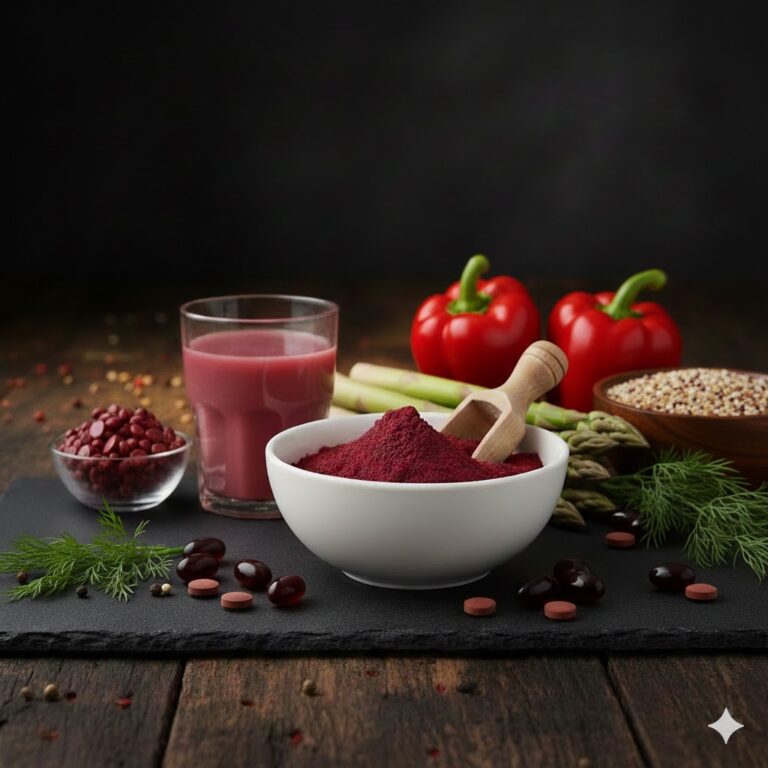
  • Yellow & Orange Produce: Corn, orange bell peppers, paprika, chili powder, saffron, goji berries, persimmons, and oranges.
  • Dark Leafy Greens: Kale, spinach, collard greens, turnip greens, and Swiss chard (rich in both lutein and zeaxanthin).
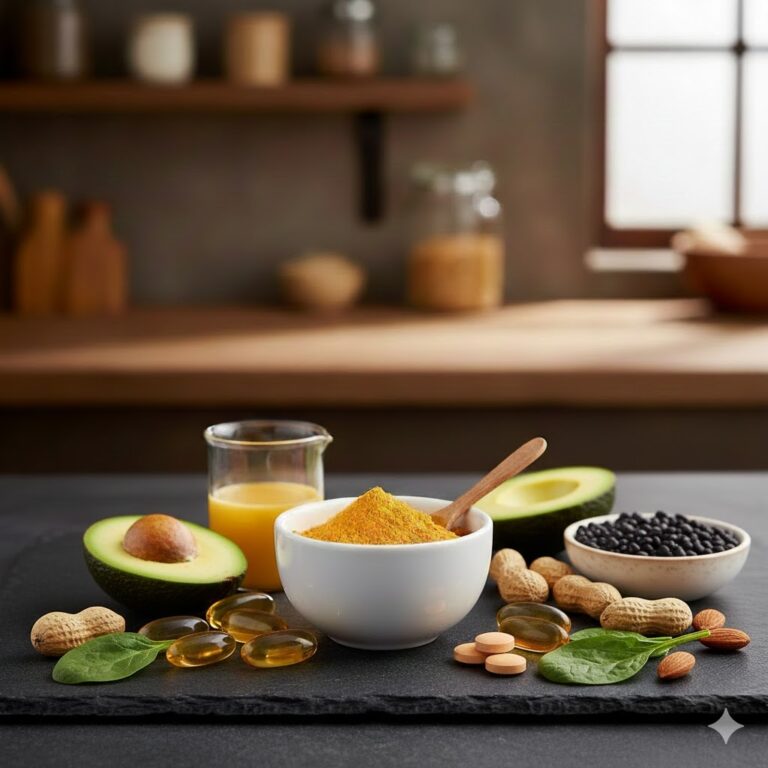
  • Animal Sources: Egg yolks (offers superior bioavailability due to healthy fats in the yolk).
  • Commercial/Ingredient Sources: Marigold flower extract (Tagetes erecta), used as the primary source for supplements and functional food ingredients.
  • Target Daily Intake: 2 mg/day (typically combined with 10 mg/day of lutein in a standard 5:1 ratio).
  • Clinical Standard (AREDS2): 2 mg/day to slow intermediate-to-advanced Age-Related Macular Degeneration (AMD) progression.
  • Dietary Gap: Average diets yield only 0.2–1 mg/day of combined lutein and zeaxanthin, below clinical eye-health target levels.
  • Safety: Safe up to ~53 mg/day for a average adult (EFSA ADI: 0.75 mg/kg body weight).
  • Usage: Must be taken with a fat-containing meal for optimal absorption.

Role

Essential for vision, cell growth and differentiation, reproduce total development and maintain healthy & skin and mucus membrane.

Sources

A rich source of essential vitamins and minerals can be found in fresh, colorful fruits & vegetables.

Intake

According to ICMR guidelines, the recommended dietary allowance of Vitamin A for adults is approximately 700–900 micrograms.

FAQs on CaroMXâ„¢ | Zeaxanthin

What is zeaxanthin?
  • Type: A naturally occurring carotenoid and xanthophyll pigment with strong antioxidant properties.
  • Appearance: Responsible for bright yellow, orange, and red colors in plants and fruits.
  • Role in the Body: Selectively accumulates in the macula of the eye alongside lutein to protect ocular tissues.
What are the key health benefits of zeaxanthin?
  • Macular Health: Neutralizes free radicals and lowers the risk of age-related macular degeneration (AMD), cataracts, and glaucoma.
  • Blue Light Filter: Acts as natural optical shielding, filtering harmful high-energy blue light from screens and sunlight.
  • Skin & Systemic Protection: Reduces UV-induced oxidative stress in skin layers and helps lower systemic inflammation.
How does zeaxanthin differ from lutein?
  • Retinal Location: Zeaxanthin concentrates at the center of the macula (fovea), whereas lutein dominates the surrounding peripheral retina.
  • Chemical Structure: They are structural isomers with slightly different chemical ring formations.
  • Synergy: The body converts lutein into meso-zeaxanthin; both work together for maximum optical protection.
What are the best dietary sources of zeaxanthin?
  • Leafy Greens: Spinach, kale, turnip greens, and collard greens.
  • Yellow & Orange Foods: Corn, orange bell peppers, persimmons, papayas, and goji berries.
  • Fat-Paired Sources: Egg yolks and pistachios (where natural fats aid absorption).
What is the recommended daily dosage?
  • Official RDA: No formal Recommended Dietary Allowance (RDA) exists for zeaxanthin alone.
  • Clinical Benchmark: The AREDS2 study recommends a daily ratio of 2 mg zeaxanthin to 10 mg lutein for optimal eye health.
Are zeaxanthin supplements safe, and are there side effects?
  • Safety: Highly safe when consumed through food or standard daily supplements.
  • Carotenodermia: Very high, prolonged intake can cause a harmless, temporary yellow-orange skin tinge.
  • Best Practice: Being fat-soluble, it should be taken with meals containing dietary fat for maximum absorption.

Comprehensive Range Of Carotenoids

Create your account

Request For Zeaxanthin Enquiry

Please enable JavaScript in your browser to complete this form.

I Want A Sample Of

Zeaxanthin