Qline Nutraceuticals

Elevating Every Aspect Of Your Health

Lutein

CaroMXâ„¢ | Lutein

Our 100% natural lutein carotenoids provide superior quality and purity. Offered in microencapsulated powder and bead formats, with sustained-release (SR) and enteric-coated (EC) options, they support visual health, especially for age-related macular degeneration (AMD), while protecting skin from UV damage. Trust Q-Line Nutra’s advanced delivery for consistent, effective eye and skin care support.
Fortified Foods

Capsules & tablets

Beverages

Powder Blends

Eye Health

Powerful Antioxidant

Skin Health

Cognitive function

Heart Health

Overall Wellness

Quick Facts

Role
  1. Filters Blue Light: Shields eyes from sunlight and digital screen strain.
  2. Protects Central Vision: Preserves the macula to prevent age-related vision loss (AMD).
  3. Fights Oxidative Stress: Acts as an antioxidant to prevent cellular damage in eyes, brain, and skin.
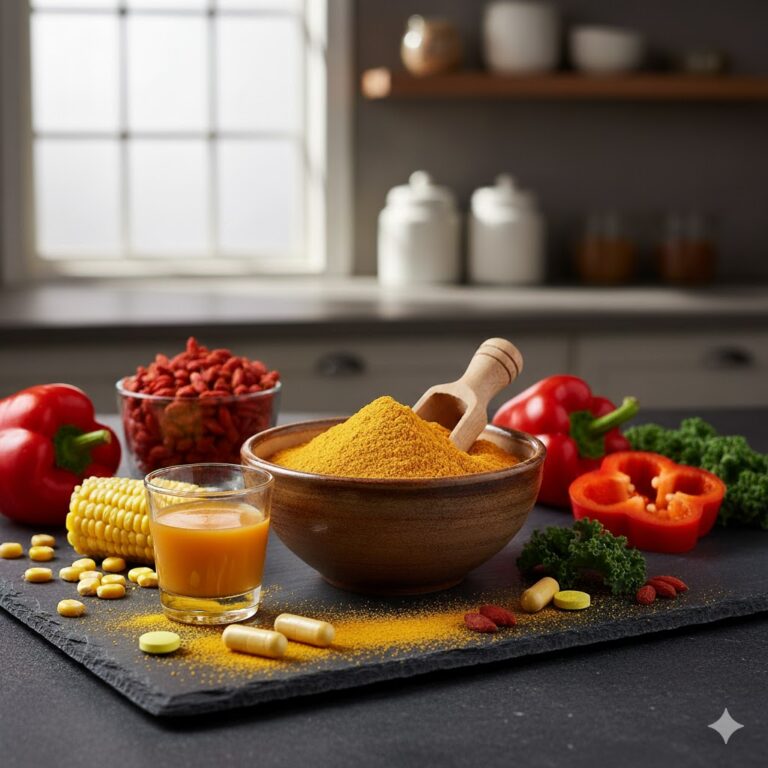
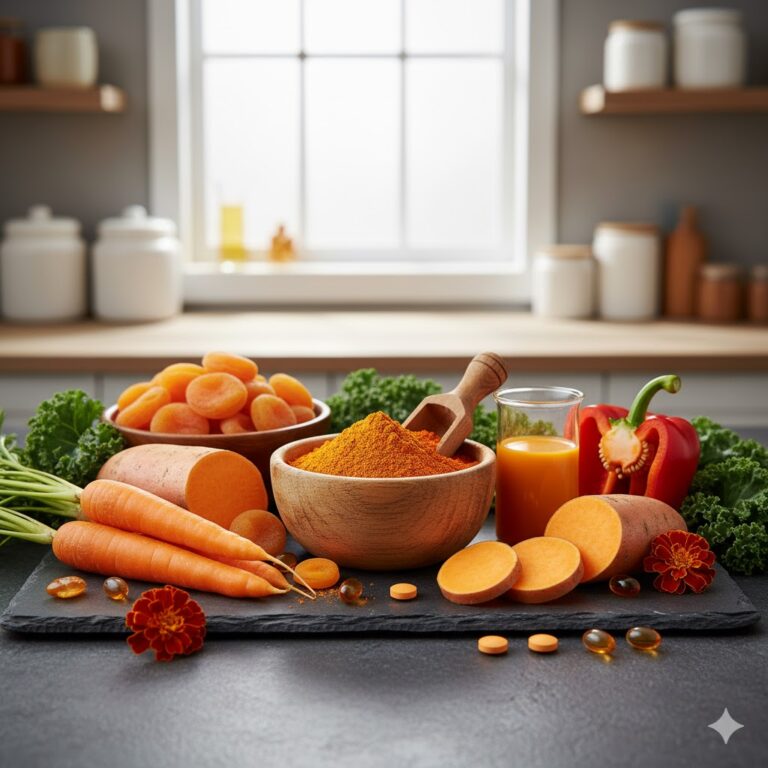
  1. Marigold Flowers: The primary source used for commercial extraction and supplements.
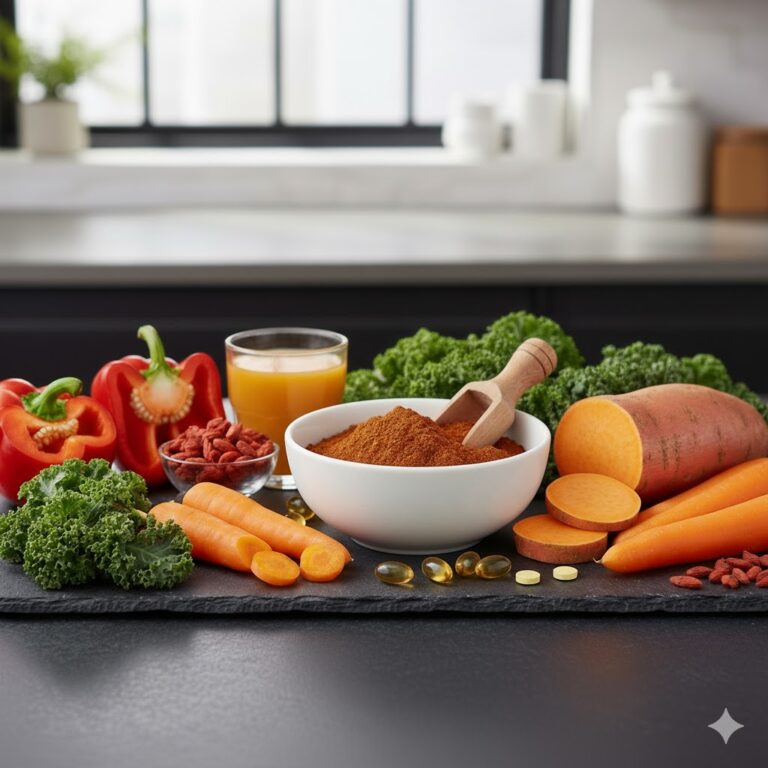
  2. Dark Leafy Greens: Kale, spinach, and Swiss chard (highest dietary sources).
  3. Green & Yellow Veggies: Sweet corn, green peas, broccoli, and zucchini.
  4. Egg Yolks: Lower amount, but offers high absorption due to natural fats.
  1. Daily Recommended: 6 mg – 10 mg (for general eye health and blue light protection).
  2. Therapeutic / Eye Disease (AMD): 10 mg (with 2 mg zeaxanthin).
  3. Average Dietary Intake: 1 mg – 2 mg (most people don't get enough through diet alone).
  4. Safe Upper Limit: Up to 20 mg daily.

Role

Essential for vision, cell growth and differentiation, reproduce total development and maintain healthy & skin and mucus membrane.

Sources

A rich source of essential vitamins and minerals can be found in fresh, colorful fruits & vegetables.

Intake

According to ICMR guidelines, the recommended dietary allowance of Vitamin A for adults is approximately 700–900 micrograms.

FAQs on CaroMXâ„¢ | Lutein

What is Lutein and where does it come from?
  • Type of compound: A naturally occurring carotenoid and powerful antioxidant.
  • Natural food sources: Found in high amounts in dark leafy greens like spinach, kale, and broccoli.
  • Commercial source: Standardized for supplements by extracting it from marigold flowers (Tagetes erecta).
What are the primary health benefits of Lutein?
  • Blue light filtering: Helps shield the retina from high-energy blue light emitted by digital screens and sunlight.
  • Macular protection: Neutralizes free radicals and reduces oxidative stress in the eye.
  • Visual performance: Supports visual acuity, contrast sensitivity, and reduces eye fatigue.
  • Secondary benefits: Emerging clinical evidence links lutein to improved cognitive function and skin health.
What is the difference between Lutein and Zeaxanthin?
  • Distribution in the eye: Lutein concentrates in the peripheral region of the macula, while zeaxanthin is concentrated in the central macula (fovea).
  • Synergistic effect: They work together as a complementary pair to protect the full structure of the macula.
  • Standard ratio: Commonly formulated together in a 5:1 ratio (e.g., 10 mg Lutein to 2 mg Zeaxanthin) to mirror natural dietary intake.
What is the recommended daily dosage for Lutein?
  • General maintenance: 10 mg per day for basic eye health and digital screen protection.
  • Enhanced support: Up to 20 mg per day used in clinical studies for advanced macular support and age-related vision care.
  • Daily intake allowance: Recognized as safe for long-term daily supplementation.
What forms of Lutein do you offer for manufacturing?
  • Oil Suspensions: Tailored for standard softgel encapsulations.
  • Standard Powders: Direct-compressible powders for two-piece hard capsules and tablets.
  • Microencapsulated Beadlets: Cold-water dispersible (CWD) beadlets engineered for enhanced stability during processing.
  • Liposomal Formulations: Next-generation delivery systems that protect the compound through digestion and optimize cellular absorption.
  •  
How stable is Lutein during the manufacturing process?
  • Sensitivity profile: Highly vulnerable to heat, light, air, and low pH levels in raw form.
  • Protection technologies: Beadlet microencapsulation and liposomal structures prevent oxidation during blending and pressing.
  • Shelf life retention: Helps ensure the final finished product meets label claims through the entire expiration period.
  •  
What are the ideal product applications for this ingredient?
  • Traditional Formats: Softgels, hard capsules, and compressed tablets.
  • Nutraceutical Specialties: Functional gummies, chewables, and stick packs.
  • Liquid & Beverage Systems: CWD beadlets and liposomal powders allow seamless incorporation into ready-to-drink (RTD) beverages, shots, and functional food premixes without sedimentation or oil separation.
Is the ingredient non-GMO and allergen-free?
  • Source: Derived strictly from non-GMO marigold flowers (Tagetes erecta).
  • Allergen profile: Free from gluten, soy, dairy, nuts, and major allergens.
  • Compliance: Suitable for clean-label, vegan, vegetarian, and Halal/Kosher formulations.
What are the storage requirements for raw Lutein material?
  • Temperature: Store in a cool place (below 25°C / 77°F).
  • Environment: Keep in a dry, dark area protected from direct sunlight and humidity.
  • Packaging: Preserve in original, tightly sealed, nitrogen-flushed containers until production.

Comprehensive Range Of Carotenoids

Create your account

Request For Lutein Enquiry

Please enable JavaScript in your browser to complete this form.

I Want A Sample Of 

Lutein